
Periodontal Services
Comprehensive Specialty Care
Dr. Richardson offers a full array of periodontic services at our Eustis practice — from early-stage gum disease treatment to advanced implant surgery and bone regeneration.
Periodontal Services
Comprehensive Specialty Care
Dr. Richardson offers a full array of periodontic services at our Eustis practice — from early-stage gum disease treatment to advanced implant surgery and bone regeneration.
Full-service periodontal care
Everything Your Periodontal Health Needs
Richardson Periodontics & Implant Dentistry offers a full array of periodontic services to help you maintain healthy gums and a beautiful smile. The dental procedures provided in our Eustis periodontal office are found in this section.
◆
Periodontal Disease
◆
Dental Implants
◆
Single & Multiple Tooth Replacement
◆
Implant Supported Dentures
◆
Socket Preservation
◆
Crown Lengthening
◆
Sinus Augmentation
◆
Tissue & Bone Grafting
◆
Osseous Surgery
◆
Regeneration
◆
Early Stage Gingivitis
◆
Pocket Reduction
◆
Ridge Augmentation
◆
And more...
01
Service
Periodontal Disease Treatment
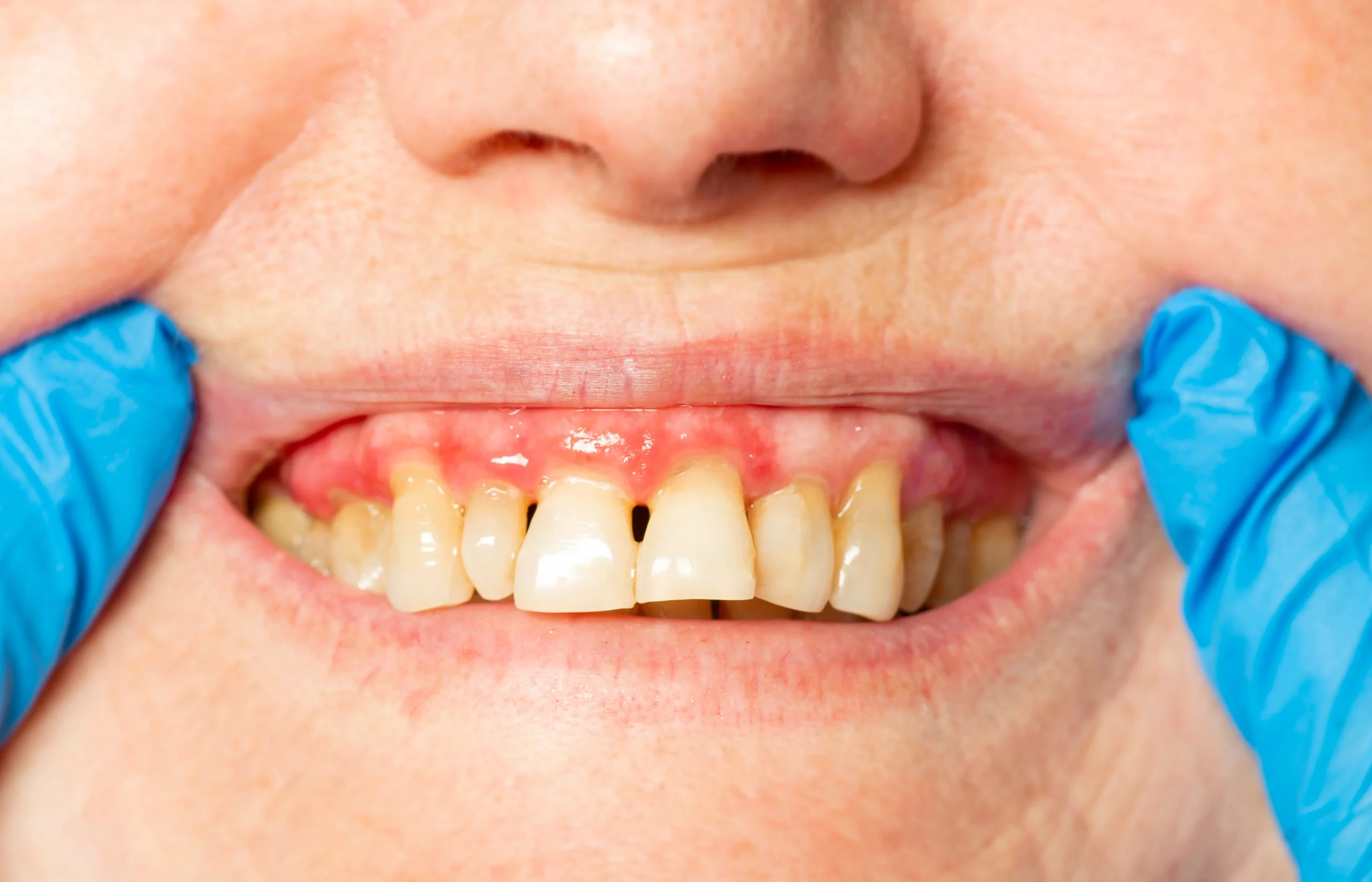
Treatment of periodontal disease is fairly standard; however, it should be specific to your individual needs. No one treatment is applicable to everyone, and periodontists are trained to identify causative factors and tailor a treatment plan that addresses your specific condition.
Your general dentist and their hygienists often treat early and milder forms of periodontal disease, but should refer you to a periodontist when the problem persists beyond treatment in their office. Simply speaking, periodontal disease is treated in 3 phases:
1
Non-Surgical Scaling & Root Planing
This treatment is the first line of treatment and is often referred to as a "deep cleaning". This treatment entails numbing specific areas with deep pockets between the tooth and gum and cleaning bacterial debris from the root surfaces of the teeth where bone loss has occurred. This treatment serves to remove the bulk of plaque and tartar from the areas under the gum and once healed, will reduce the overall inflammation. People with mild to moderate forms of periodontal disease will experience a reduction of their pocket depths and will require no further treatment and maintained over time.
2
Periodontal Surgery
This treatment is provided to those with more severe forms of periodontal disease and those that do not respond to non-surgical treatments. Periodontal surgery entails numbing the affected area and surgically altering the gums and the bone to eliminate the pocketing and provide an environment that can be cleaned effectively and maintained over time. Due to severity or other anatomical factors, some patients will benefit from a type of bone grafting called Guided Tissue Regeneration. This procedure aims to regrow the bone that has been lost due to periodontal disease. Dr. Richardson will go into great detail to describe what areas are likely to require surgery and benefits versus the risk.
3
Periodontal Maintenance
Periodontal maintenance is designed to keep close watch on the areas previously treated and ensure that the condition does not worsen again. This procedure is very similar to a traditional dental cleaning; however, will be performed by a hygienist that is extensively trained in working on periodontal patients and will ensure that proper hygiene practices are being implemented to prevent reactivation of the disease. The majority of periodontal patients will require periodontal maintenance every 3 months for the rest of their lives.
We have all been brought up to believe that unless there is pain, there is nothing wrong. The most notable symptom of periodontal disease is a lack of symptoms. The vast majority of periodontal patients have no discomfort! In fact, in many cases, when symptoms exist, it is too late! Your general dentist is required by the Florida Statutes to check you for periodontal disease, but if you are concerned, ask them to check you! Simply, this treatment is provided to save your teeth and is in everyone's best interest.
02
Service
Dental Implants
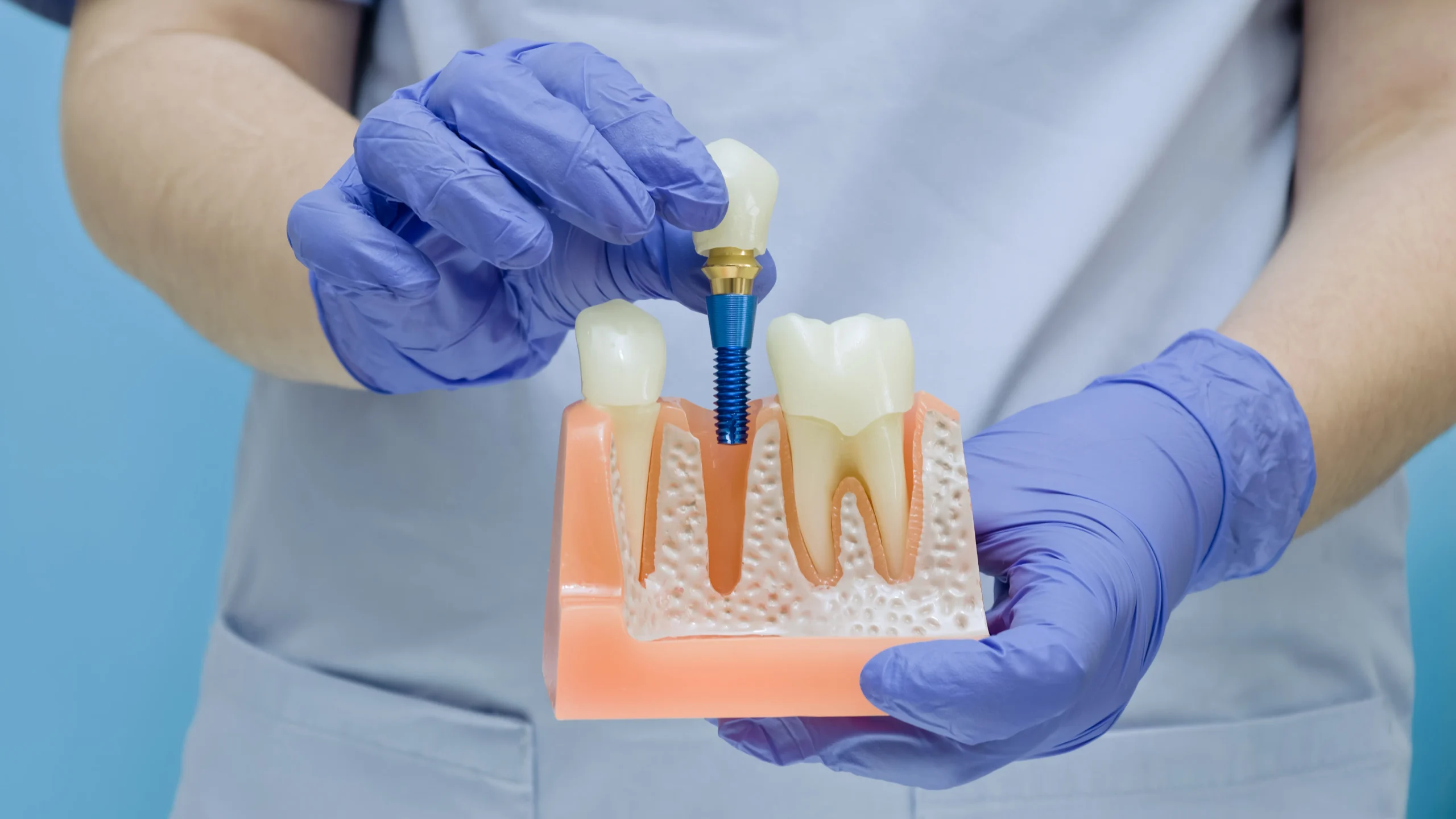
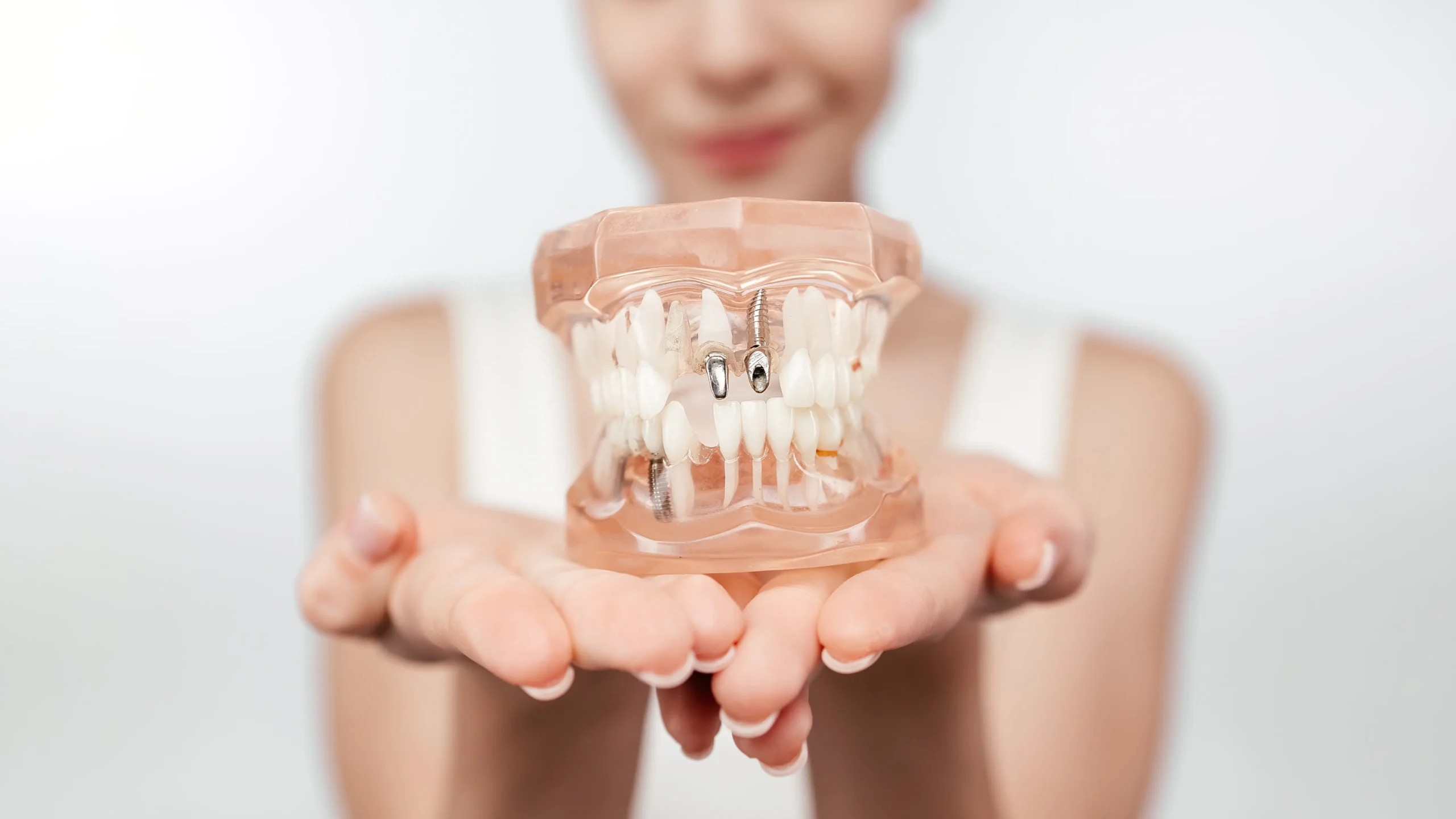
Dental Implants are titanium alloy posts that are surgically installed into the upper or lower jaw that can be used to support dental crowns or full/partial dentures.
Dental implants are not a new technology; however, are continually improved upon to ensure both success and desired aesthetics. Dental implants are simply the gold standard for replacing a single missing teeth. In addition, they can be used to replace multiple teeth or stabilize a loose or poor fitting denture or partial denture.
Current scientific research tells us that dental implants (following manufacture's protocol) are 98-99% successful. If done properly, in the absence of significant risk factors, are wildly successful and have excellent long term survival. Risk factors that can effect long term success include poor oral hygiene, heavy smoking and uncontrolled diabetes. Dr. Richardson will take all of your risk factors in account and advise you of your best options.
The Implant Process
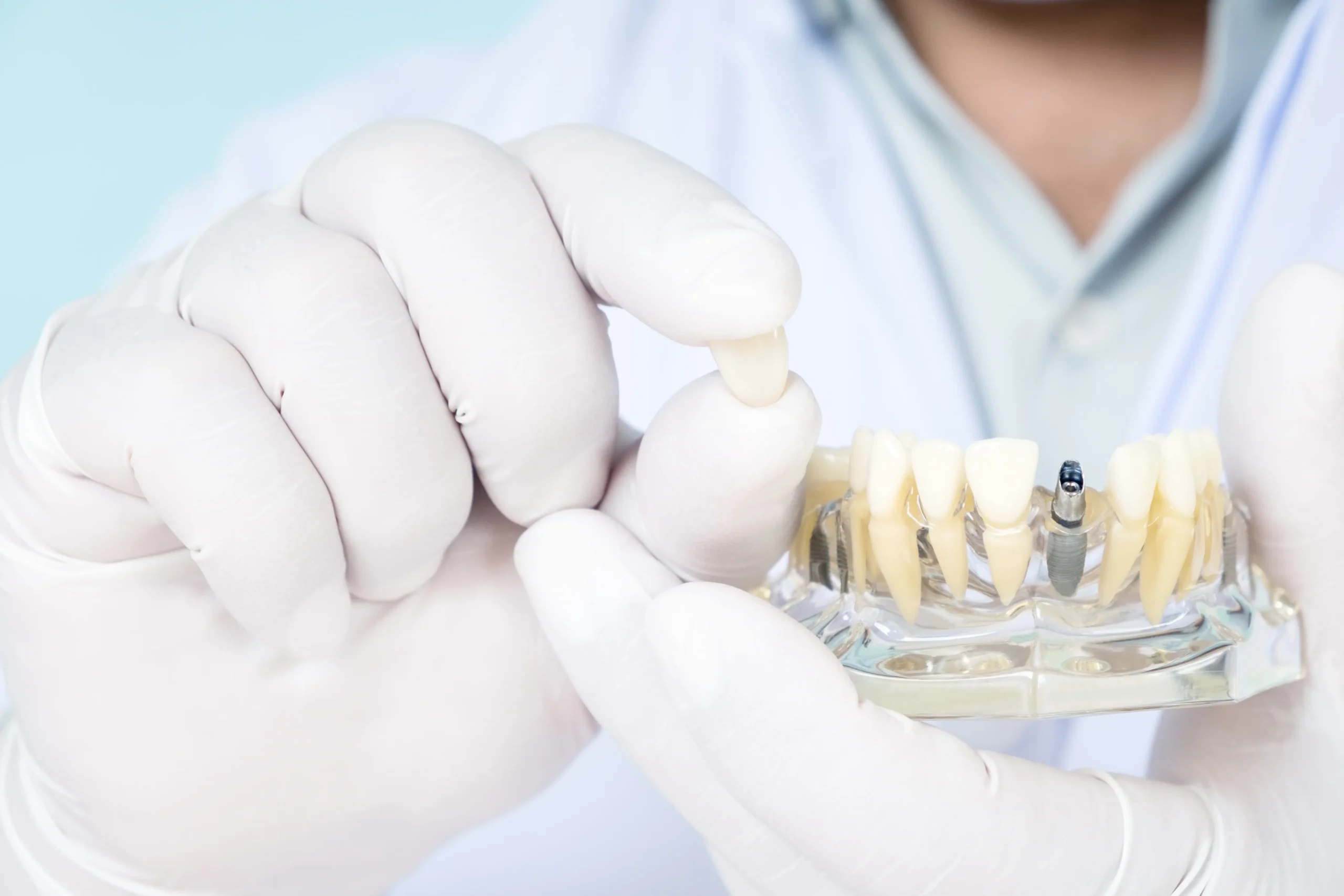
All dental implants consist of 3 basic components: the fixture, the abutment, and the crown/prosthetic. Richardson Periodontics will surgically install the fixture (post) and ensure that it heals fully. This is a process called osseointegration. Once the fixture has integrated with your jaw bone, Dr. Richardson will refer you back to your general dentist for impressions. Then the lab fabricates an abutment and a custom designed crown that properly fits the space and matches your other teeth perfectly.
Implant Uses
Single tooth replacement, multiple tooth replacement, implant-supported dentures for denture wearers, and socket preservation to prepare a site for future implants. Implants can dramatically improve quality of life for patients who struggle with traditional dentures.
Even if You've Been Told "Not Enough Bone"
Dental implants are wildly versatile and can be used in ways that were impossible even 10 years ago! Even if you have been told that you do not have "enough bone" for dental implants, this may no longer be true or even wrong to start with. Dr. Richardson, your Eutis periodontist, will evaluate you clinically and radiographically to provide you with as many treatment options as possible.
Single Tooth Replacement
Dental implants are the gold standard for replacement of a single missing tooth or a tooth that needs to be extracted. Dental implants are extremely versatile and can be used in ways that were never thought possible at their inception.
In its simplest form, a healed, empty space in the mouth can be replaced with a dental implant. The surgical procedure is fast and simple. Care and expertise is utilized to ensure that preparation of the bone for the implant is precise and will appropriately house a restoration for many years to come.
Once the dental implant is placed, it is allowed to heal for 4-6 weeks. During this time, the surrounding bone will fuse to the surface of the implant through a process we call osseointegration. Once fully integrated, the implant will be tested for stability and then you can then be referred back to your general dentist for fabrication of the custom crown.
Single implants are wonderfully natural looking and function as normal teeth. They are maintained as natural teeth and have the benefit of never developing decay! Regular maintenance includes brushing and flossing as well as examination during your cleaning appointments. Yearly x-rays of the implant are recommended.
If a tooth is present that needs to be extracted prior to the placement of a dental implant, a bone graft may be recommended to rebuild and preserve the existing bone width. This procedure is called Socket Preservation. Other conditions exist that allow for placement of a dental implant immediately following extraction of a tooth. Immediate Dental Implants are perfectly safe and utilized when conditions are appropriate and success is predictable. To learn more about these techniques, visit "Immediate Dental Implants" and "Socket Preservation".
Immediate Dental Implants
An immediate dental implant refers to a dental implant that is placed immediately following an extraction of a hopeless tooth. It is important to first understand that not all teeth that need to be extracted will qualify for immediate dental implants.
Most of the time, the determination of whether an immediate implant is recommended is a logical process. Simply put, there are times that the hole in the bone following a tooth extraction is larger than the hole that is prepared for a dental implant. Since the bone is used to stabilize the implant during healing, this must be taken into consideration. Most single-rooted teeth are candidates for immediate dental implants; however, each tooth is considered individually at the consultation to determine its predictability and prognosis for success.
Immediate dental implants save time, minimize the number of surgical procedures and speed up the healing process. As with other dental implants, once placed, they will require 4-6 weeks for healing prior to placement of a crown. Temporary devices such as Transitional Partial Dentures (we call them "flippers") can be custom made and worn while an implant is healing.
There are many options for temporary replacement. The decision will be made together and serve in your best interest until the implant can be restored with a crown.
Multiple Tooth Replacement
In addition to replacement of single missing teeth, dental implants can be utilized to restore multiple missing teeth. Obviously, in the scenario of multiple missing single teeth, traditional procedures are performed to treat each site as a single missing tooth. In addition, dental implants can be used to replace multiple missing, neighboring teeth.
In most cases, each missing tooth will merit a single implant. However, other conditions exist that allow for the bridging of multiple teeth between fewer implants. This saves money and is equally acceptable and predictable. Traditional bridges fail when their supporting teeth (we call them abutments) fail due to fracture or decay. Implants neither fracture, nor decay. If done properly, as many as 4 or more teeth can be restored with just 2 implants!
There are many conditions that can affect the possibility of multiple adjacent implants. An evaluation of the underlying bone and anatomical structures will be performed during the exam and consultation. All options will be presented and factors such as cost will certainly be taken into consideration.
Complete Implant Supported Dentures
Traditional upper dentures are large and bulky. They cover the entire roof of your mouth and affect the taste of food. Millions of people use traditional upper dentures; however, many people cannot due to problems such as anatomy or severe gagging. A full implant-supported denture can be fabricated that attaches to multiple dental implants to keep them in place and increase bite force. Since the implants will stabilize the denture while eating, this prosthetic does not require the suction to the roof of the mouth and can be shaped like a horseshoe. This means less acrylic in your mouth and food tastes normal again. Dramatic increase in chewing function will be apparent right away!
Traditional lower dentures are often poor-fitting and are challenging to eat with. With the use of only a couple of dental implants you can have drastically improved fit and stabilization. Again, the denture will snap onto the implants and resist movement while eating and speaking. With implants as stabilizers, the denture flanges can be trimmed down to take less space in your mouth and between the gum and tongue.
Implant-Supported Partial Dentures
For many people who use partial dentures, they can be bulky and rely on the support from other existing teeth. These teeth can be stressed over time and worsen as the partial places force that the teeth were not otherwise designed to withstand. Dental implants are however designed to withstand these forces. Attachments can be utilized to stabilize your partial denture and give you confidence when you smile and eat.
As you can imagine, placing multiple implants can be challenging. Through the use of a technology called CT guided surgery, we are able to make this procedure simple, faster and with far less discomfort than only a few years ago. This technology utilizes the latest in x-ray technology called Cone beam CT (computerized tomography). This is similar to a CAT scan that you would receive in a hospital only far less radiation and only of your upper and lower jawbone. We have access to this technology at our offices and will utilize these special 3-D scans of your skull to plan your case prior to surgical treatment.
Traditional lower dentures are often poor-fitting and are challenging to eat with. With the use of only a couple of dental implants you can have drastically improved fit and stabilization. Again, the denture will snap onto the implants and resist movement while eating and speaking. With implants as stabilizers, the denture flanges can be trimmed down to take less space in your mouth and between the gum and tongue.
Socket Preservation
Socket Preservation is one of the more common surgical techniques performed in our periodontal office. When it has been determined that a tooth is hopeless and needs to be extracted, a decision needs to be made regarding the restorative future of that space. Socket preservation refers to a bone grafting technique that involves filling the empty socket (following extraction of a tooth) with a bone graft in attempt to preserve the height and width of the existing bone.
Socket preservation is performed primarily when a tooth needs to be extracted and there is a plan to replace the tooth with a dental implant. Since the dental implant will utilize this bone for stability in the future, we want to ensure there is adequate volume to house the implant. Socket preservation utilizes a bone graft and a membrane to facilitate healing and preservation of the jawbone height and width for future implant placement.
Socket preservation is not always necessary for implant placement. However, most of the time, the socket that remains once a tooth is extracted is larger or not ideally located for implant placement. In this case, socket preservation is performed so that implant placement can be precise or ideal for the future crown. In other instances, the socket that remains is smaller or more shallow than the implant that will replace it. In this case, an implant can sometimes be placed immediately. See "Immediate Dental Implants" to learn more.
03
Service
Soft Tissue Grafting
As with many other procedures that are performed in our Eustis periodontal offices, periodontists are specifically trained to alter the gum tissue in order to improve protective function, treat recession or improve aesthetics. Our gum tissue, or gingiva, serves multiple purposes in our mouth. The gingival tissue wraps around the tooth to provide the first line of defense against bacteria, toxins, and food debris from penetrating deep under the gums. Inflammation of this tissue is called "gingivitis". Secondly, the gingiva provides a protective function against trauma and protects the root surface underneath from decay. In addition, the gingiva forms a familiar "frame" around the tooth and gives specific shape to our teeth that together form the smile.
There are multiple conditions that affect the gum tissue requiring a periodontist to perform procedures that are collectively known as "gum grafting" or "gingival grafting". There are many techniques that exist that have improved upon the traditional techniques.
Anatomy of the Gums
It is important to understand the anatomy of the gums prior to understanding what types of procedures alter the anatomy of the gums. The gingival tissues are similar throughout the mouth, but there are two essential types of gingival tissue. The first type can be found on the roof of our mouth. We refer to this thick, fibrous tissue as keratinized tissue. There should be a band of keratinized tissue wrapped around each tooth. This tissue provides a protective function and is important to resist the trauma of brushing our teeth or eating food. The second type of tissue is like the floor of our mouth or the inside of our cheek. This tissue is called alveolar mucosa. This tissue is loose and movable. Its function is to provide mobility and stretching of the lips, cheeks and tongue. The volume and constitution of these two tissues are taken into account when gingival grafting procedures are recommended.
When Gingival Grafting is Needed
Connective Tissue Grafting
Connective tissue grafting is one of the more traditional tissue grafting therapies that we preform at our periodontal office in Eutis. This process involves harvesting a piece of tissue from the roof of the mouth and transplanting this tissue to the area that has recession. The tissue is sutured into place and covered with the existing gum tissue when it is repositioned.
The transplanted tissue will become part of the recipient site and thicken the existing tissue. This procedure is typically performed in the presence of adequate volume of keratinized tissue but a very thin tissue thickness. The resulting tissue will not only cover the recessed area, but also thicken to prevent further tissue recession in the future.
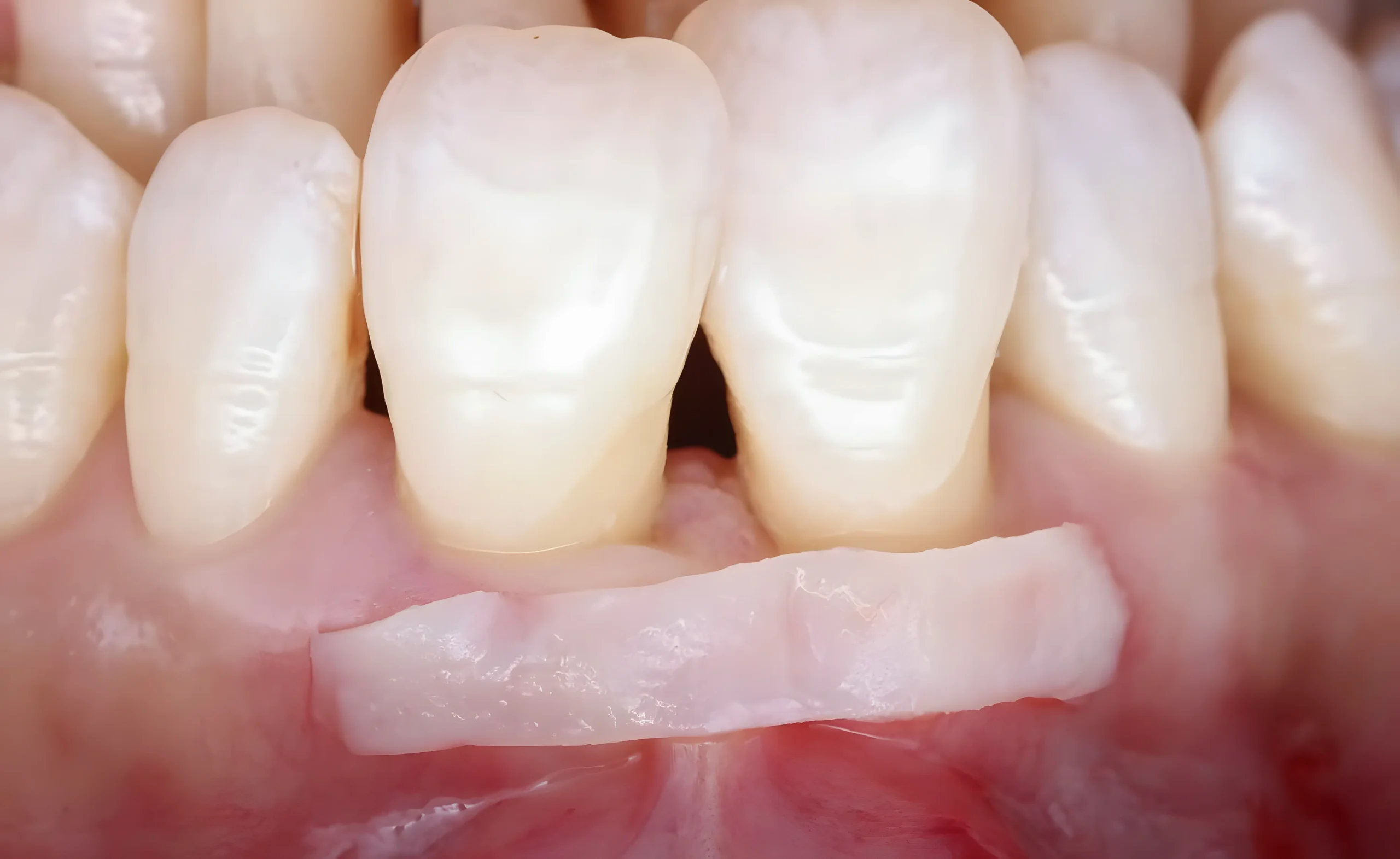
The wound in the roof of the mouth will be protected with a clear plastic retainer that is fabricated from models of your upper jaw. This guard will keep your tongue as well as food from irritating the wound.
The limitations of this technique is volume of tissue. There is a limit to how much tissue can be harvested from the roof of the mouth. This technique is good for treating 1-3 teeth, but would require multiple procedures to cover more teeth.
Alloplastic Tissue Grafts
Alloplastic tissue refers to tissue that is from the same species but a different donor. This tissue was initially developed for burn victims and is purchased from the same tissue banks as our bone grafts. This tissue was donated and is very safe and very useful.
This type of procedure is difficult for people to understand because they are concern with the fact that it is donated tissue, but the truth is, it is very safe. All of the donor's cells including DNA, RNA and proteins have been removed from this product during processing. Essentially, all that is left is the tissue matrix. This matrix provides a scaffolding for your own tissue to weave in and out of the material. Over a period of a couple of months, your body will completely resorb this material and replace it with your own tissue.
The overwhelming benefit of this tissue is that you can order as much of it as you want. This material is ideal for treating multiple teeth with recession in one procedure. In addition, it is unnecessary to make a wound in the roof of the mouth. The recipient site is prepared using an incisionless technique called a tunnel technique. The graft tissue is placed under your existing tissue and is used to thicken it. The success of this technique depends on the material remaining covered by your own tissue; therefore, you will never see the material. It is buried and will remain covered until your body resorbs the tissue graft. Significant root coverage and tissue thickening can be achieved with this material.
Coronally Positioned Flap with Emdogain
A coronally positioned flap is when you manipulate the existing gum tissue and move it toward the tip of the tooth. This procedure is performed with virtually every soft tissue graft; however, this technique entails using only the existing tissue with the addition of a product called Emdogain.
Emdogain is a product that is purchased and comes in the form of a gel. This gel contains proteins and enzymes that induce tissue growth. The proteins are harvested from pigs and can be used to help regenerate lost bone or in this case, tissue growth.
The tissue is prepared in the site of the recession until it can be repositioned adequately. Then the tooth is treated with the gel and the tissue is sutured on top of the recessed tooth. The gel is then oozed all over the remaining site.
This technique works well and the surgical site is localized without having to make a wound on the roof of the mouth. There is minimal discomfort and requires only to be left alone during healing. Dr. Richardson will be very thorough about the post-operative instructions in order to ensure success.
04
Service
Bone Grafting
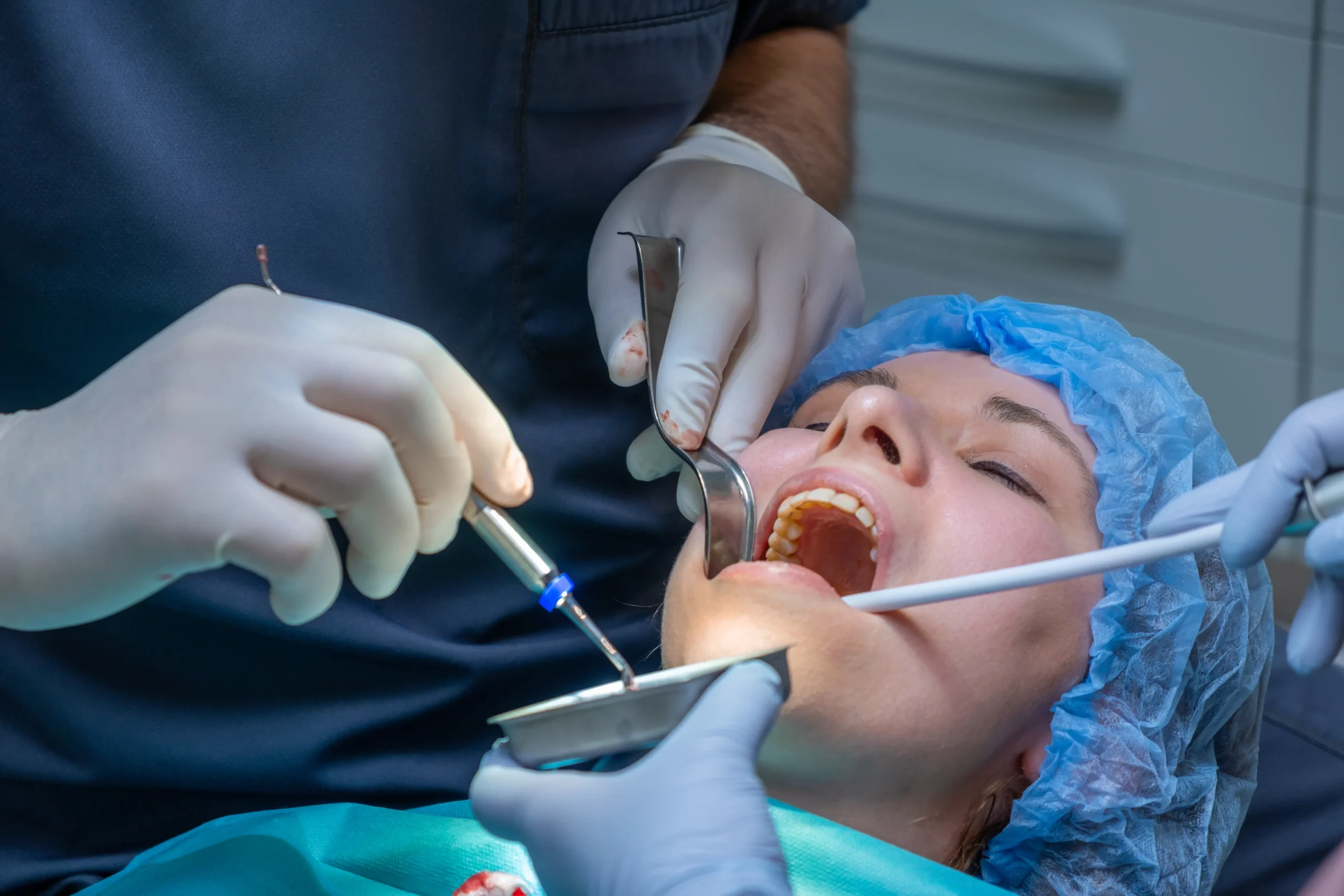
Bone grafting is a broad term used to describe the process of inducing bone growth in areas that are deficient. There are multiple reasons to recommend bone grafting, but the majority of the time we are looking to either regrow bone that has been lost due to periodontal disease or rebuild a bony ridge for the purpose of dental implant placement.
Bone grafting can be as simple as growing bone in a socket of an extracted tooth (we call this socket preservation) or as difficult as widening the jawbone so it can house a dental implant (we call this ridge augmentation). Dr. Richardson has extensive training with bone grafting and will recommend a technique that will result in the highest chance of success.
Where Bone Grafts Come From
Bone grafts can come from several places. Bone grafts can be harvested from the same individual that needs it (autogenous) or purchased from a donor tissue bank (allograft). Some grafts are harvested from bovine sources (zenograft). The majority of the time, bone grafts are purchased and used from the most reputable tissue banks in the country. The graft material used was once human bone; however, has been processed and completely removed of its components that identify the donor graft from the donor. In other words, it has no cellular components that the recipient's body could possibly identify as once belonging to someone else. Therefore, there is no chance for rejection or disease transmission.
Bone Graft Success
Over approximately 90 days, the recipient's body will completely resorb the graft material and replace it with his/her own bone. This is a completely safe and predictable process that is utilized by virtually every dental and orthopedic surgeon on a daily basis. The key to successful bone grafting is choosing the best product for what is trying to be accomplished. The more difficult the procedure, the more specific the bone product that needs to be used. Eustis periodontist, Dr. Richardson, will discuss all of the options and the reasons behind his specific recommendations that fulfill your needs.
Socket Preservation
Socket Preservation is one of the more common surgical techniques performed in our office. When it has been determined that a tooth is hopeless and needs to be extracted, a decision needs to be made regarding the restorative future of that space. Socket preservation refers to a bone grafting technique that involves filling the empty socket (following extraction of a tooth) with a bone graft in attempt to preserve the height and width of the existing bone.
Socket preservation is performed primarily when a tooth needs to be extracted and there is a plan to replace the tooth with a dental implant. Since the dental implant will utilize this bone for stability in the future, we want to ensure there is adequate volume to house the implant. Socket preservation utilizes a bone graft and a membrane to facilitate healing and preservation of the jawbone height and width for future implant placement.
Socket preservation is not always necessary for implant placement. However, most of the time, the socket that remains once a tooth is extracted is larger or not ideally located for implant placement. In this case, socket preservation is performed so that implant placement can be precise or ideal for the future crown. In other instances, the socket that remains is smaller or more shallow than the implant that will replace it. In this case, an implant can sometimes be placed immediately.
Guided Tissue Regeneration
Guided Tissue Regeneration is a surgical technique used to treat bone loss around teeth caused by periodontal disease. As discussed in other sections, periodontal disease leads to chronic bone loss around the roots of our teeth. There are several presentations of bone loss in a periodontal patient. Guided Tissue Regeneration is used to treat what we refer to as intrabony defects.
As you can imagine, it is difficult to grow bone in space and/or around teeth specifically. However, when the bony defect is more vertical in nature, a bone graft can be placed into the defect and allowed to regenerate the lost bone from around that particular tooth. There are multiple techniques to graft intrabony defects. Dr. Richardson will utilize the particular technique that best suits your individual needs.
There are many factors that affect the success of Guided Tissue Regeneration. These factors must be taken into account when selecting the appropriate technique, material, and long term prognosis of each procedure. Following an exam and review of current x-rays, Dr. Richardson will individualize the treatment to best suit your clinical and financial needs.
Guided Bone Regeneration
Guided bone regeneration refers to a series of bone grafting techniques that are utilized to replace bone that is missing in a toothless area of the jawbone. If this area of the jaw does not have enough bone that is adequate for the placement of a dental implant, then a variety of bone regeneration techniques will be recommended.
Horizontal and Vertical Bone Augmentation are the two primary types of guided bone regeneration. Both are advanced techniques and often require special products and materials that are designed to induce bone growth in the jaw. Many of these bone grafting techniques have been learned from orthopedic surgery. These techniques have proven successful and require a considerable amount of training prior to performing.
Horizontal Ridge Augmentation is the easier of the two techniques. This technique is recommended when the jawbone intended for a dental implant is not wide enough to support the implant. This technique is performed by utilizing special bone materials such as putty-style grafts and structure supporting membranes. These grafts usually require 6 months to heal fully before a dental implant can be placed.
Vertical Ridge Augmentation is the more difficult of the bone grafting techniques and is only recommended when Dr. Richardson feels there is a good chance of success. This procedure is recommended when the jawbone does not have enough vertical height to house a dental implant. The procedure is performed by stacking bone graft material vertically; however this is very difficult and requires the use of more expensive and advanced materials. A minimum of 6 months is recommended prior to implant placement. Sinus augmentation is a form of vertical ridge augmentation and is far more predictable.
05
Service
Crown Lengthening
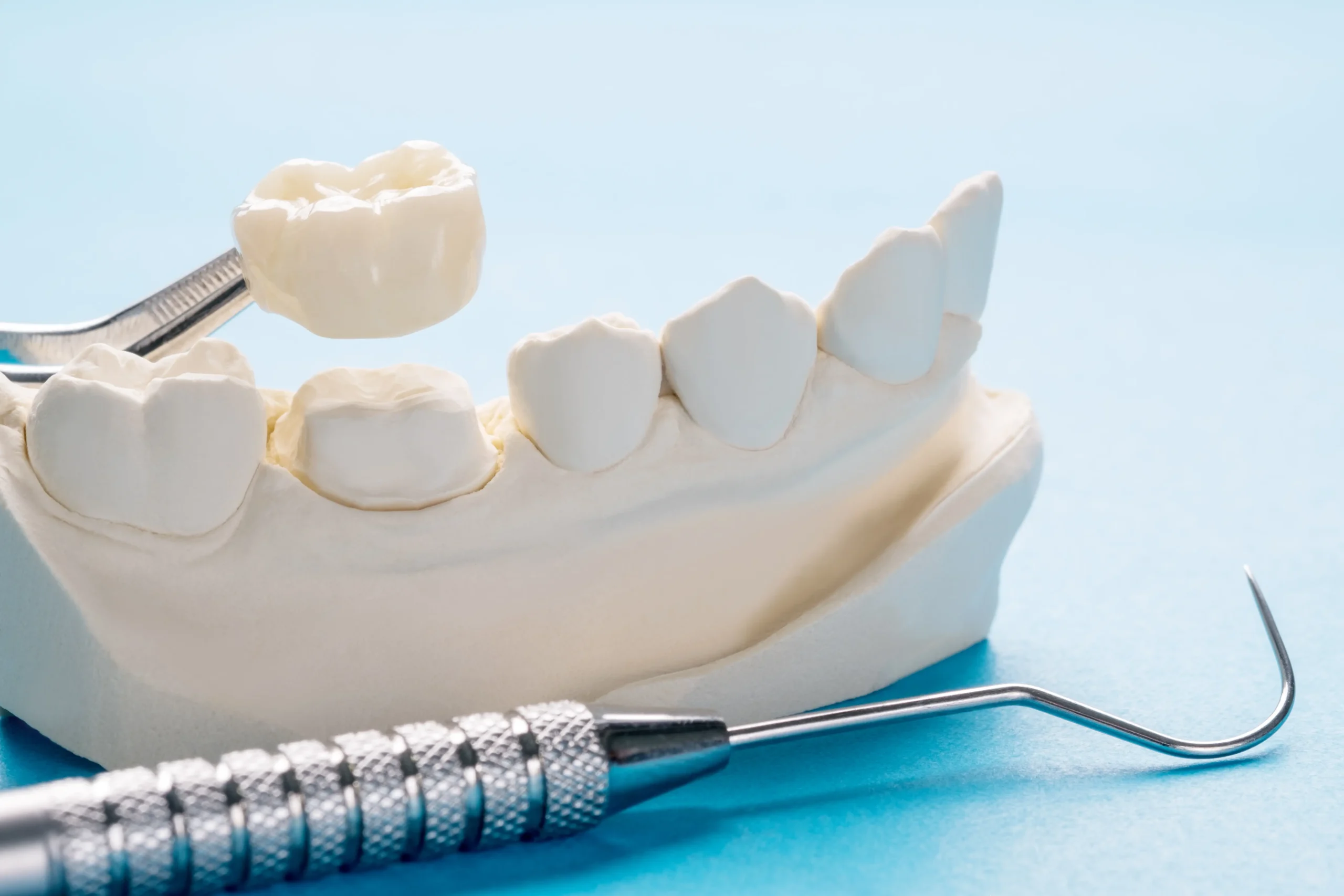
Crown lengthening is a small surgical procedure performed by a periodontist primarily to improve either the functional access to a tooth for restorative purposes, or adjust the aesthetic design of a smile. Crown lengthening is a short, predictable surgical procedure that takes about an hour. Once the procedure is completed, sutures will be placed and weekly follow up visits will follow until healing has occurred.
Restorative Crown Lengthening
Aesthetic Crown Lengthening
Crown Lengthening can also be used to treat a condition affectionately referred to as "gummy smile". Gummy smile is a condition where a few or many teeth have failed to fully erupt from the bone and gum during development or where there is simply too much gum tissue. The procedure used to treat this condition is called Aesthetic Crown Lengthening and is performed to improve the cosmetics of a smile.
06
Service
Sinus Augmentation
There are times when planning dental implants in the upper jaw becomes slightly more complicated because of the involvement of the maxillary sinus. The maxillary sinus is located directly above the roots of the 4 or 5 back teeth in the upper jaw. The sinus is in intimate contact with the roots of the upper teeth in many people. If an implant is to be placed in the upper jaw to replace a missing tooth, the sinus must be considered. In many cases, it must be pushed upward to make space for the dental implant.
Although you may imagine this procedure as invasive, it is fairly straightforward and simple. Dr. Richardson has been trained in multiple techniques of what is referred to as "sinus lifting" or "sinus augmentation". If a tooth needs to be extracted and the sinus is located above the roots, a socket preservation procedure will be recommended to keep the sinus from dropping down into the space where the tooth once was. This should provide adequate space for the future dental implant.
In the case where a tooth or multiple teeth have been missing from the upper jaw for many years, quite often we will find that the sinus has fallen down and occupied the space where the teeth used to be. This is a process called "pneumatization". In this case, a sinus lift will be recommended to provide the necessary vertical volume of bone to place the implant either immediately or at a later date.
Maxillary Sinuses
In order to understand the sinus lift procedures, it is important to have a working knowledge of the anatomy of the maxillary sinus. There are multiple sinus cavities in our skull. There are 2 maxillary sinuses (one on each side of our head) and they are the largest. A sinus is a large air space in our skull that is lined with a soft tissue membrane between the airspace and the surrounding bone. It is believed that our sinuses have grown over time so that our head weighs less and we as human could evolve into standing upright. When we alter the position of the sinus, we are actually working in the space between the tissue membrane and the bone. Care is taken not to perforate the sinus membrane and access the airspace.
There are multiple techniques for sinus lifting. Periodontist, Dr. Richardson, will be able to recommend the appropriate technique based upon your individual needs.
Direct Sinus Lift
Direct sinus lifts are utilized when there is less than 5mm of bone between the floor of your maxillary sinus and the crest of the bone in the area where the implant is to be placed. With this technique, the maxillary sinus is accessed laterally from in the the mouth. The membrane of the sinus is manipulated gently and bone graft is placed under the membrane to increase the dimension from the floor of the sinus to the crest of the bone. 10mm of vertical bone is ideal for implant placement.
There are times when the direct sinus lift can be performed and the implants placed simultaneously by an implant dentist. These techniques are only used when success is likely and there are no complicating factors. Otherwise, the site is closed at the completion of the sinus lift and the bone is allowed to regenerate for 4-6 months prior to implant placement.
It is important to mention that precautions will be taken to prevent sinus infection and this procedure will have no effect on sinus pressure or patients who suffer from seasonal allergies.
Indirect Sinus Lift
Indirect sinus lifts are performed in sites were there is more than 5mm between the crest of the bone and the floor of the maxillary sinus. This procedure is always performed with simultaneous placement of a dental implant. This technique is chosen because there is enough vertical height of bone to stabilize the implant; however, not enough bone to keep the implant out of the sinus.
This procedure is less invasive than the direct sinus lift and is performed by preparing the bone for the dental implant as normal. Once the floor of the sinus has been reached, bone is gently packed in the preparation and pressed upward. This motion will tent the membrane of the sinus upward and create additional room for the full length of the implant.
As with the direct sinus lift, care will be taken not to damage the sinus and this procedure will have no effect on sinus pressure or effect people that suffer from seasonal allergies.
Get Started
Ready to Schedule a Consultation?
For more information about any of these procedures or to set up an appointment, we encourage you to contact our office. Dr. Richardson looks forward to meeting you.